
Slow Living: a path to a regulated nervous system
A lot of people are tired - physically, mentally and emotionally. Life has become so fast-paced, optimised and always-on that many people are left feeling overwhelmed and dysregulated.
No one wants to rush through life without really experiencing it. That’s why the idea of ‘slow living’ is having a bit of a moment.
It’s providing an alternative to the constant hustling, scrolling, and rushing. It’s asking questions like: Who chose this pace for me? What would happen if I didn’t rush right now? Is this pace necessary, or habitual?
Slow living aims to help us live more intentionally and provides an antidote to a dysregulated nervous system (Udupa et al, 2022).
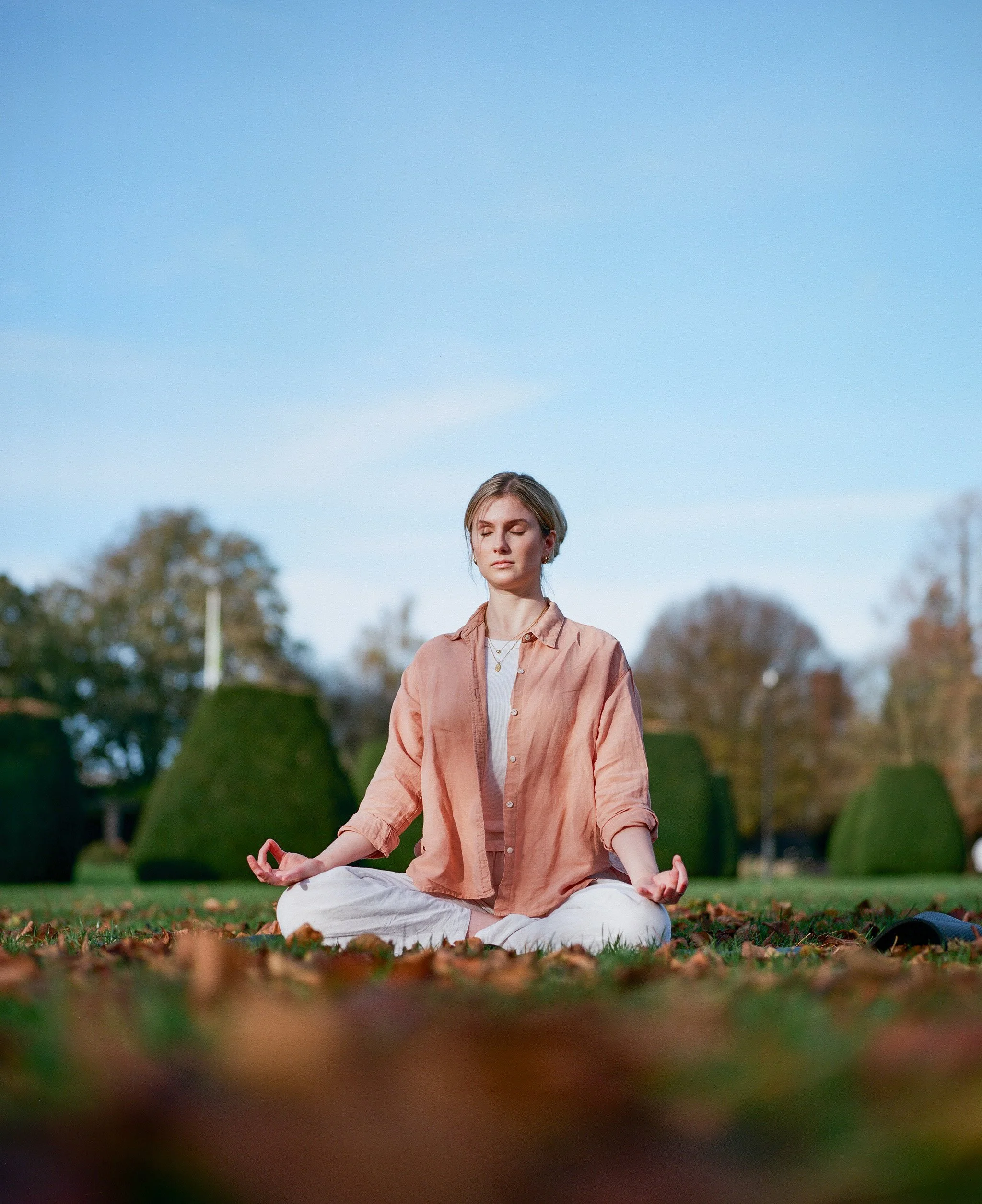
Modern life keeps the nervous system stuck in high alert all too often. Our attention is being pulled in different directions all at once, with value being placed on faster delivery, shorter turnarounds and instant results (Mokry, 2024)
Tabs inside tabs, emails whilst eating, group chat notifications, relentless decisions to make, and the list goes on. This constant rushing and multitasking has become the norm. As a result, the nervous system lives in fight or flight - even if you are not in danger, your body is responding as if it is (Shambu, 2026).
This can look like:
Elevated cortisol and adrenaline
Shallow breathing
Tight muscles
Racing thoughts
Difficulty sleeping
Some people experience this as running on ‘autopilot’ - moving through the paces of life without truly being present. This means so much of the little joys of life are overlooked and not fully experienced, and it’s all these little bursts of joy that contribute to a fulfilling and abundant life.
And on a more biological level, it’s difficult for your body to heal or regenerate optimally when it constantly feels under threat.
Slow living helps to bring everything back into balance.
Slow intentional actions like unhurried breathing, eating without distractions, or gentle movement like yoga help to activate the parasympathetic nervous system. This lowers the heart rate and blood pressure, and sends the message to your body - you’re safe.
And the nervous system learns through experience. When you repeatedly make an effort to slow down without something bad happening, your body rewires its default from urgency to ease.
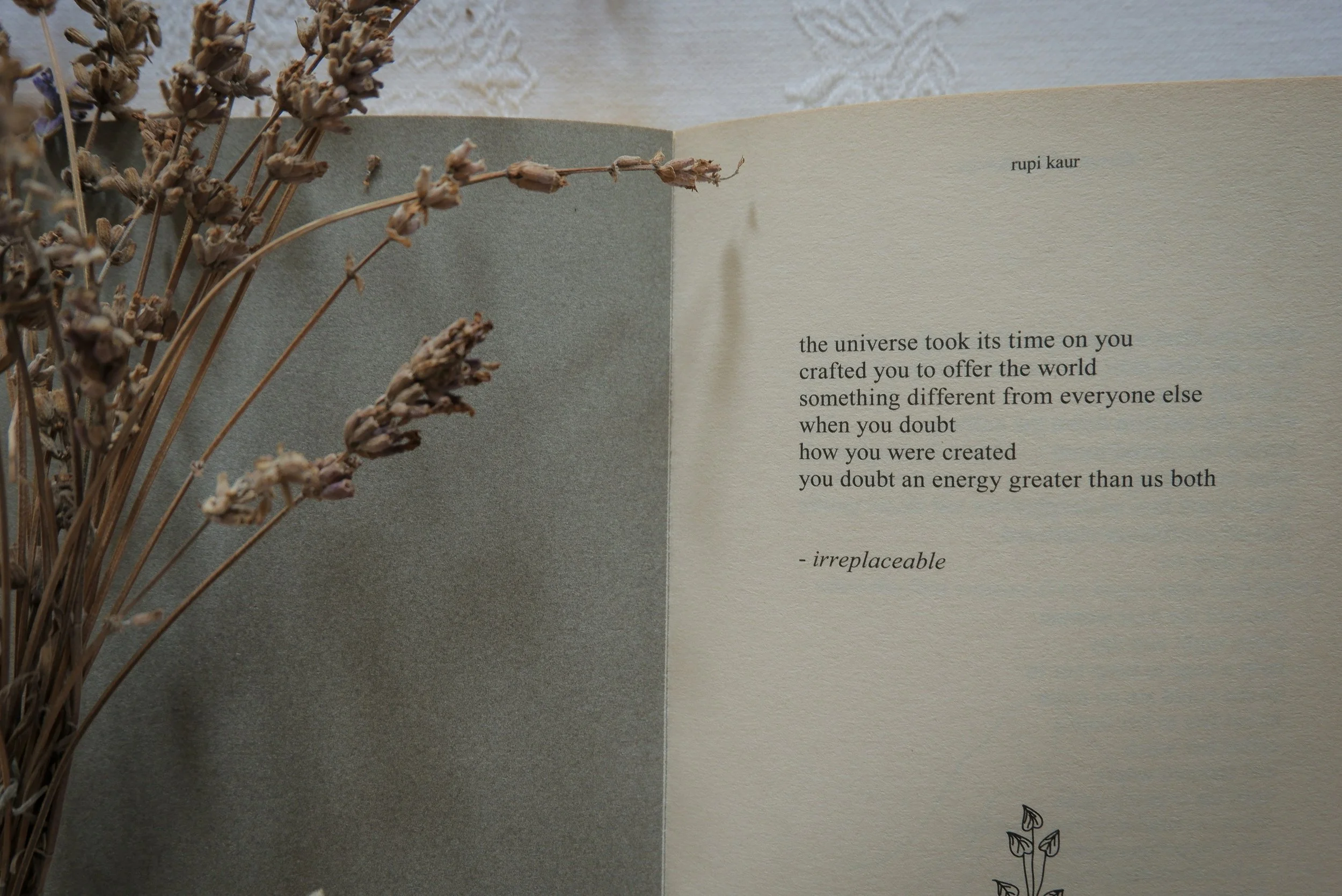
This doesn’t have to be a massive life upheaval. Many of us are working with very busy schedules and that’s okay. The nervous system doesn’t care how busy you are, it cares how often you signal safety. Just a few intentional daily check-ins can be really beneficial.
Think about:
Trying to focus on single tasks on purpose - no tab switching or scrolling
Pausing throughout the day and focusing on some slow, deep breaths
Eating meals without distractions
Making time for intentional rest eg. a restorative yoga class
Setting boundaries around screen time
Intentionally walking slower
If you’ve ever been to one of my yoga classes before, you’ll know the cue ‘slowly’ shows up a lot! This is why. We’re trying to rewire the brain from constantly rushing at this fast pace to moving more intentionally and mindfully.
This in turn helps to slow down the monkey mind, and encourages us to be more present both on and off our yoga mats.
But all of this isn’t to say living slowly is easy. When we’re used to living on high alert, doing things slowly can feel quite uncomfortable and might be met with resistance. It takes continuous effort, and I am by no means perfect! Screen time boundaries and focusing on single tasks are things that I’m constantly trying to work on.
At the end of the day the effort is worth it. When we continuously make these small steps to live a little slower, stress hormones drop, sleep can improve, and the mind becomes clearer.
But slow living also answers a fundamental question - what if this is enough? This ordinary day, this pace, where I am right now - what if this is already part of the point?
For me, a felt life over a hurried life is always worth striving for.
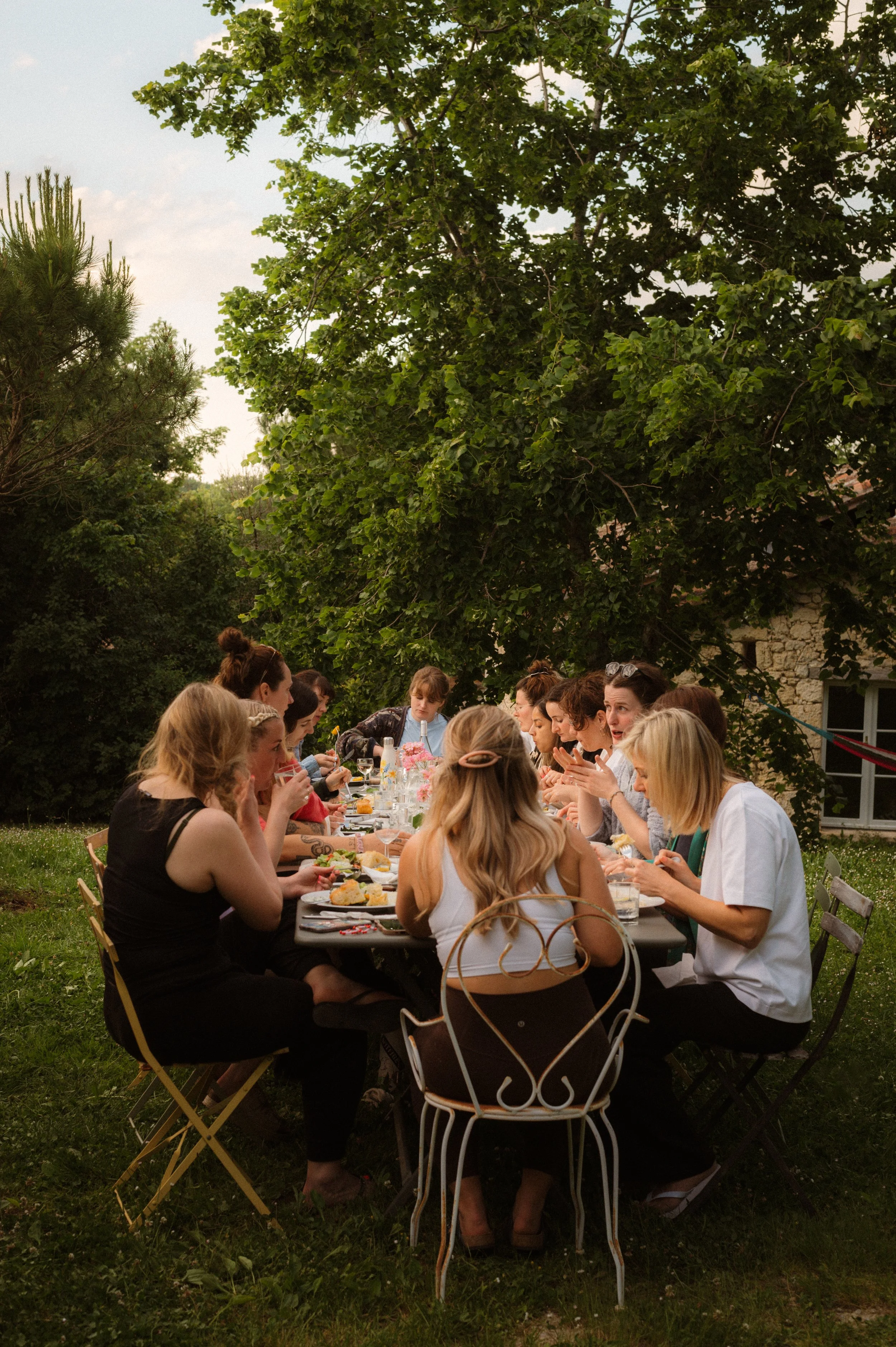
If you want to learn more and start making these changes for yourself, join the Yoga & Slow Living Retreat in France this August to truly embody what it means to live slowly.
References
Udupa, K., Bhavanani, A.B. and Ramanathan, M., 2022. Stress and the autonomic nervous system: Implication of yoga. In The principles and practice of Yoga in cardiovascular medicine (pp. 105-115). Singapore: Springer Nature Singapore.
Mokry, N., 2024. Instant gratification: a decline in our attention and a rise in digital disinformation (Doctoral dissertation).
Shambhu, S., 2026. The Science and Practice of Stress Management: A 2026 Comprehensive Review. International Journal of Social Sciences and Management, 13(1), pp.3-7.